How House Framing Works: Step-by-Step Overview
People searching for house framing often want to understand how the process works, and local contractors can help them navigate and handle each step professionally.
Understanding how house framing works: step-by-step overview is a valuable starting point for property owners interested in building or renovating. Whether planning a new construction or seeking to better grasp the process, knowing the key stages involved can help make informed decisions and set realistic expectations. Local contractors specializing in house framing can guide property owners through each phase, ensuring the structural foundation is solid and ready for the next steps in construction or remodeling projects. Exploring this topic provides practical insights that can streamline communication with service providers and help ensure the project aligns with specific goals and needs.
For property owners in the area considering a new build or renovation, understanding the basics of house framing can also highlight the importance of working with experienced local service providers. These professionals bring the expertise needed to handle the intricacies of framing, from material selection to precise assembly, which directly impacts the durability and safety of the finished structure. Continuing to read can reveal how each step fits into the larger construction process and how local pros can support a smooth, successful project from start to finish.
- House framing - homeowners planning a new construction or renovation project often seek local pros to establish a strong structural foundation.
- Wall framing - when interior or exterior walls need to be built or replaced, local contractors approach the work with precision to ensure stability.
- Roof framing - for those constructing or modifying roof structures, local pros carefully assemble the framework to support roofing materials.
- Floor framing - during major remodeling or new builds, service providers handle the creation of floor supports to ensure level and secure surfaces.
- Custom framing - clients requiring specialized or complex framing designs rely on local contractors to execute detailed and accurate work.
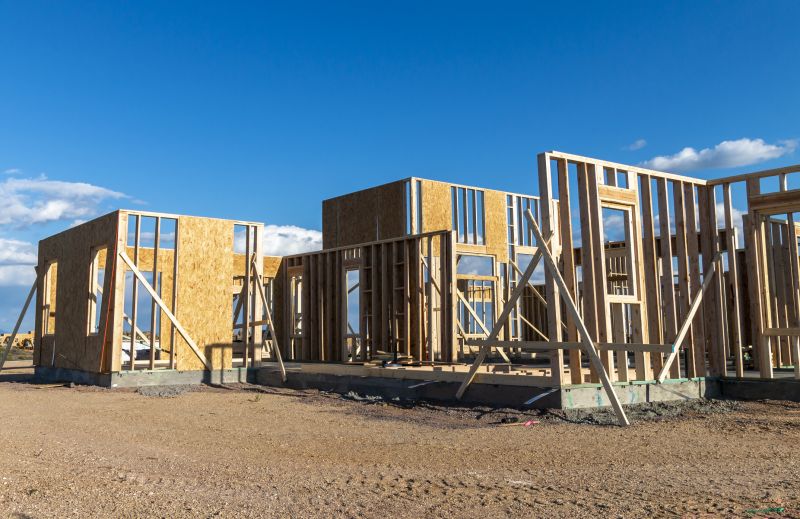
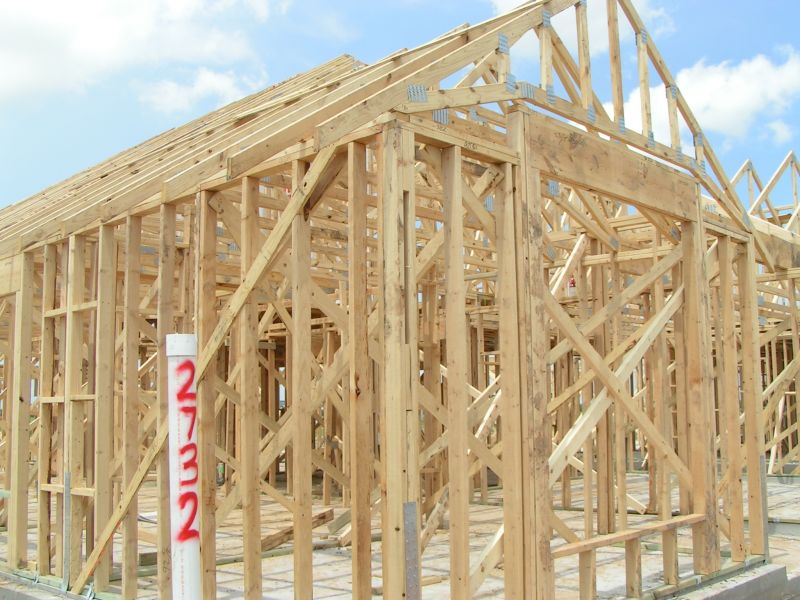
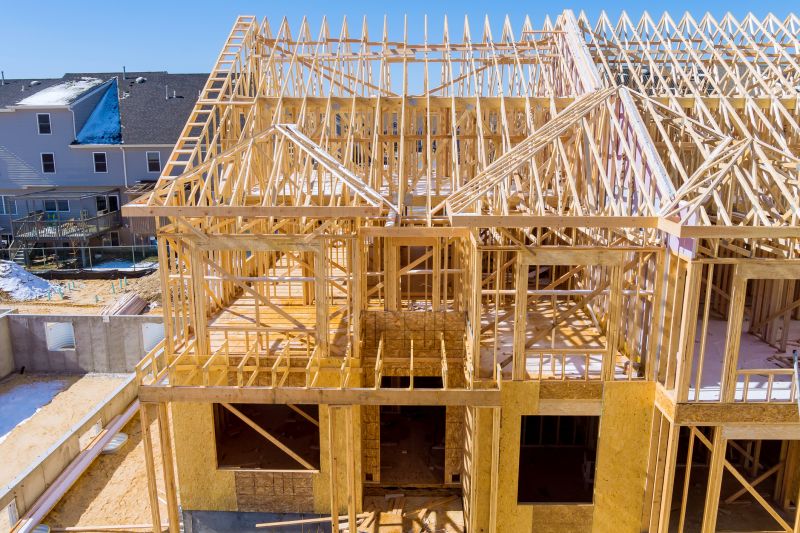
Understanding how house framing works: step-by-step overview is a common inquiry among homeowners planning new construction or major renovations. When people search for this topic, they often want to grasp the basic process involved in constructing the skeletal structure of a house. This knowledge helps them better communicate with contractors, understand project timelines, and make informed decisions about their building plans. Homeowners typically seek clarity on how the frame forms the foundation for everything else-walls, roofs, and interior spaces-so they can visualize the progression of their project from an empty lot to a finished home.
House framing is closely related to various property plans and problems that arise during construction. For example, homeowners might be concerned about structural integrity, building codes, or the need for modifications to fit specific lot conditions. Framing also plays a role in addressing issues like uneven terrain or unusual lot shapes, which can impact how the framework is designed and built. Whether constructing a new single-family home, a multi-unit building, or a custom-designed property, understanding the framing process helps homeowners identify potential challenges and ensure their property’s foundation is solid and compliant with local standards.
The types of properties that typically involve house framing projects include residential homes-ranging from small cottages to large custom estates-and occasionally light commercial buildings. Most framing work is associated with new construction, where a clear structural framework is needed to support the entire building. Renovation projects may also require framing, especially when adding new rooms or altering existing layouts. Local contractors who specialize in house framing are experienced in handling different property sizes and styles, ensuring the framework is properly aligned with the overall design and intended use of the property.
For homeowners exploring how house framing works: step-by-step overview, connecting with local service providers is a practical step toward turning building plans into reality. These professionals bring expertise in reading blueprints, selecting appropriate materials, and executing precise construction techniques. They can adapt framing methods to suit various property types and site conditions, helping ensure that the structural foundation is secure and ready for subsequent phases like roofing, siding, and interior work. Engaging with experienced local contractors provides peace of mind that the framing process will be handled efficiently and accurately, setting the stage for a successful building project.
Timber Frame Construction - this project involves assembling large wooden beams and framing components, utilizing skills similar to house framing for structural integrity and planning.
Deck and Porch Framing - building decks and porches requires understanding framing techniques, load calculations, and tool use comparable to those used in house framing processes.
Barn and Agricultural Building Framing - constructing large-scale rural structures involves similar planning, material handling, and framing skills as residential house framing projects.
Interior Wall Framing - creating interior partitions and wall structures uses comparable framing methods, tools, and measurements as exterior house framing.
Roof Framing and Truss Installation - designing and installing roof frameworks requires precise planning and framing expertise akin to that needed for house roof systems.
Commercial Frame Construction - framing for commercial buildings involves larger-scale planning and structural techniques that align with residential house framing skills.
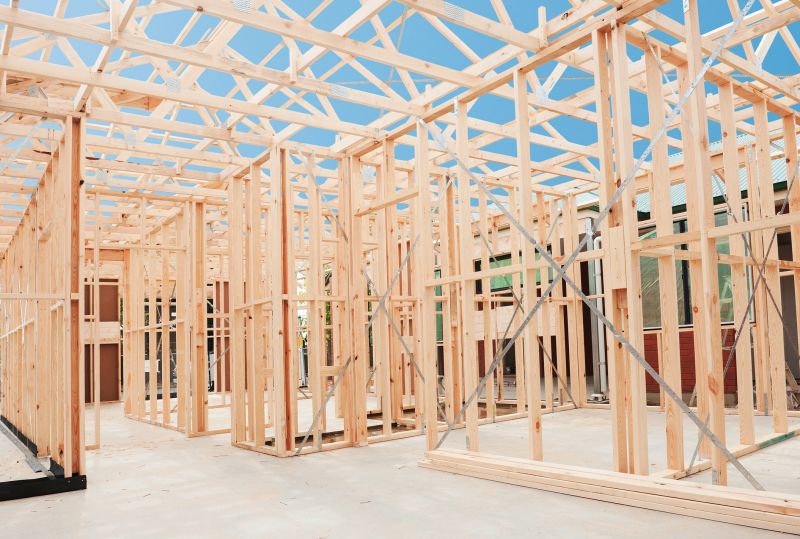
When evaluating house framing services, it’s important to consider a contractor’s experience with similar projects. Homeowners should look for local contractors who have a proven track record of handling framing work comparable to the scope of their project. An experienced service provider will have a solid understanding of the step-by-step process involved in house framing, ensuring that they can navigate potential challenges efficiently and deliver quality results. Asking for details about past projects or reviewing portfolios can help gauge whether a contractor’s expertise aligns with the specific needs of the home improvement.
Clear, written expectations are essential when comparing local pros for house framing services. Homeowners should seek contractors who provide detailed estimates and scope of work documents that outline each phase of the project. This transparency helps prevent misunderstandings and ensures everyone is aligned on the deliverables. A reputable service provider will be willing to communicate openly about the process, materials, and timelines, making it easier for homeowners to make informed decisions and feel confident in the contractor’s approach.
Good communication and reputable references are key factors in choosing a reliable house framing contractor. Homeowners should inquire about references from previous clients who had similar framing projects completed. Talking to past customers can provide insights into the contractor’s professionalism, responsiveness, and ability to meet expectations. Additionally, a contractor who maintains clear and prompt communication throughout the process can help address questions or concerns promptly, fostering a smoother project experience. Prioritizing these qualities can lead to a more successful and satisfying outcome for the home’s framing work.
Property owners often search for how house framing works: step-by-step overview when they are planning practical projects around their homes and businesses. Local pros provide House Framing services for everyday jobs and straightforward project options.
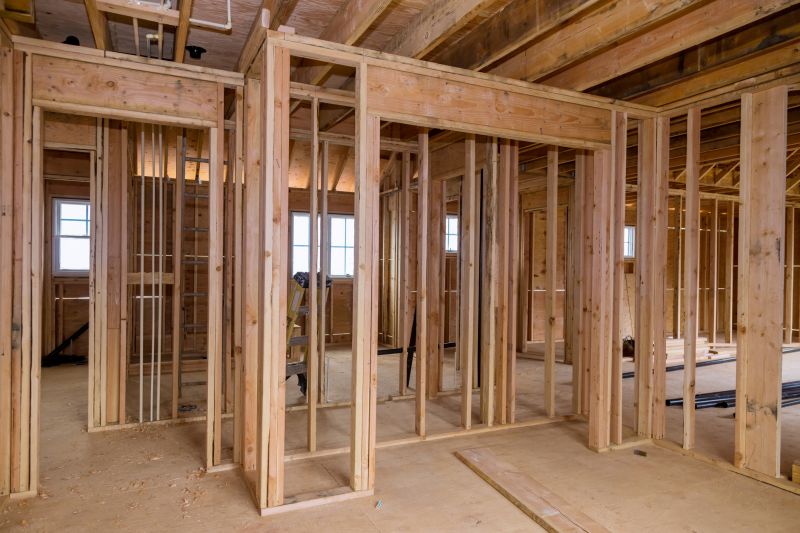
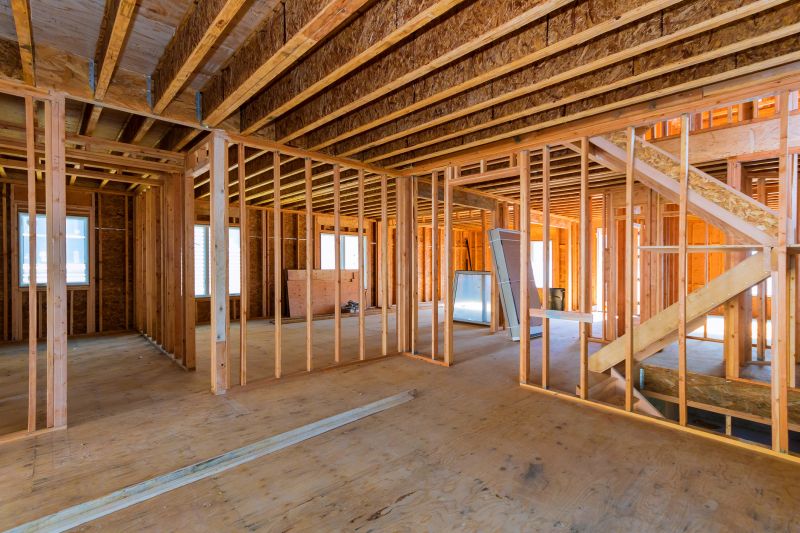
Understanding how house framing works: step-by-step overview can help property owners grasp the essential stages involved in constructing a sturdy and reliable framework for a new home or renovation project. Many local property owners seek out this information to better understand what to expect during the building process and to ensure that their project is handled properly. When considering house framing services, it’s common to reach out to local contractors who specialize in framing to ensure the structure is built correctly from the ground up, providing a solid foundation for the rest of the construction.
For those planning a new build or major renovation, knowing the basics of house framing can also help in coordinating with local service providers. These professionals typically handle the initial framework, which includes creating the skeleton of the house, setting up the walls, floors, and roof supports. Connecting with experienced local contractors ensures the framing is performed accurately, laying the groundwork for the subsequent stages of construction and helping property owners move forward with confidence.
What is the first step in house framing? The initial step involves preparing the foundation and ensuring it is level, providing a stable base for the framing process handled by local contractors.
How do local contractors build the frame of a house? They typically construct the house frame using wood or steel studs, creating the walls, floors, and roof structure according to the building plans.
What materials are used in house framing? Common materials include dimensional lumber, engineered wood products, and metal framing components, all installed by local service providers skilled in framing techniques.
How do local pros ensure the house frame is accurate and stable? They use precise measurements, framing techniques, and tools to ensure the structure is properly aligned, level, and secure throughout the process.
What happens after the house framing is complete? Once the frame is built, local contractors typically move on to installing sheathing, roofing, and exterior finishes to protect and enclose the structure.
Understanding framing plans - property owners can review framing blueprints to ensure the design aligns with their project goals, with local contractors guiding the process.
Selecting framing materials - choosing the right wood or steel options can impact the durability of the structure, and local pros can advise on the best choices for the climate and design.
Coordinating framing installation - scheduling and overseeing the assembly of the framing ensures the project progresses smoothly, with local service providers handling the technical work.
Inspecting the completed frame - property owners can work with local contractors to verify the framing meets structural standards before moving on to the next construction phase.
If you are thinking about how house framing works: step-by-step overview for a property, this guide is meant to help you understand this topic, the typical project types, and how different options might fit your plans.
When you are ready, you can use the quote form on this page to share a few details about your project. From there, local pros can review the basics and follow up with options that match what you have in mind.