Subfloor Installation in Wilmington, NC
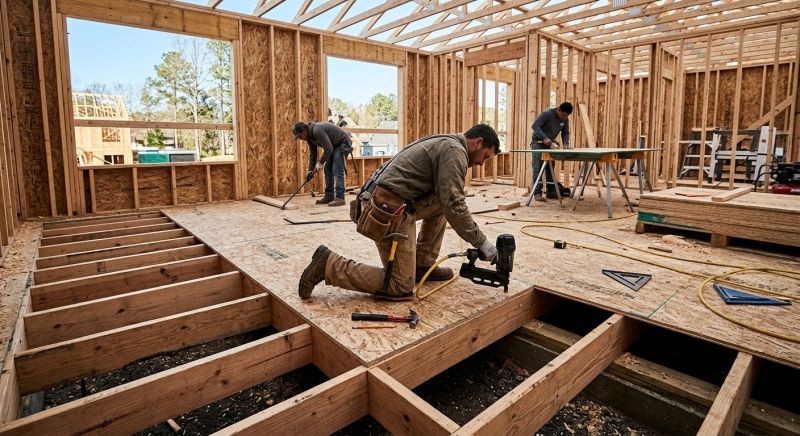
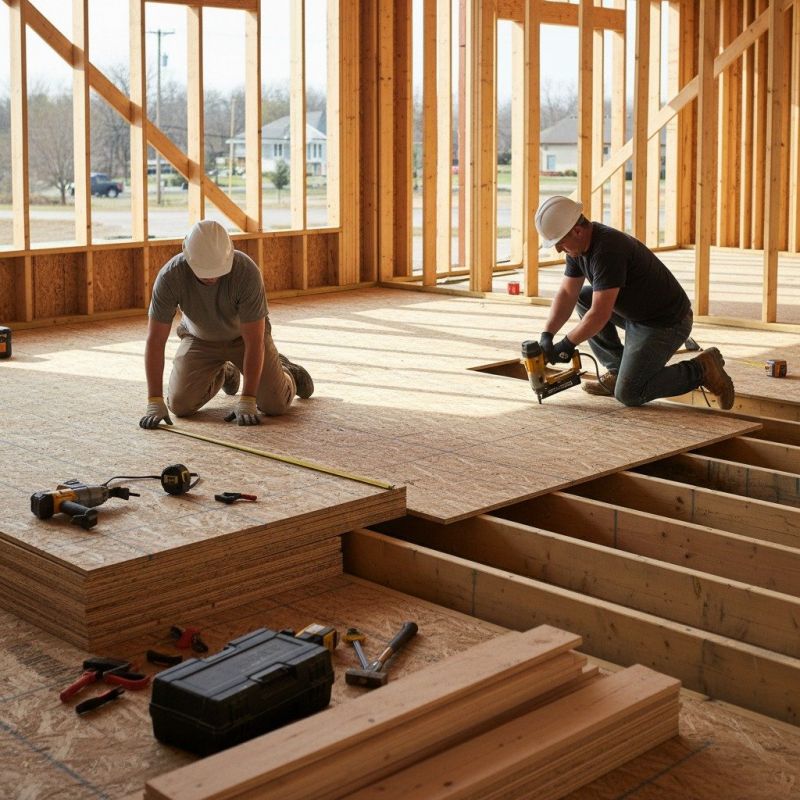
Subfloor installation services involve preparing and laying the foundational layer beneath the finished flooring in residential properties. This process is essential for creating a stable, level surface that supports various types of flooring materials such as hardwood, tile, laminate, or carpet. Property owners typically request subfloor installation when renovating, building new homes, or addressing issues like uneven floors, squeaks, or damage caused by moisture or age. Understanding the scope of the project, including the condition of the existing subfloor and the type of flooring to be installed, helps ensure a smooth and durable result.
Before requesting subfloor installation, property owners should consider the condition of the current subfloor, including any signs of rot, mold, or structural damage. It is also useful to know the specific requirements of the new flooring material, as some types may necessitate particular subfloor standards or additional preparations. Proper assessment and planning can prevent future issues such as uneven surfaces or flooring gaps, ensuring the new floor remains secure and visually appealing for years to come.
Many property owners in Wilmington, NC look into Subfloor Installation for repairs, replacements, upgrades, and appearance-related improvements.
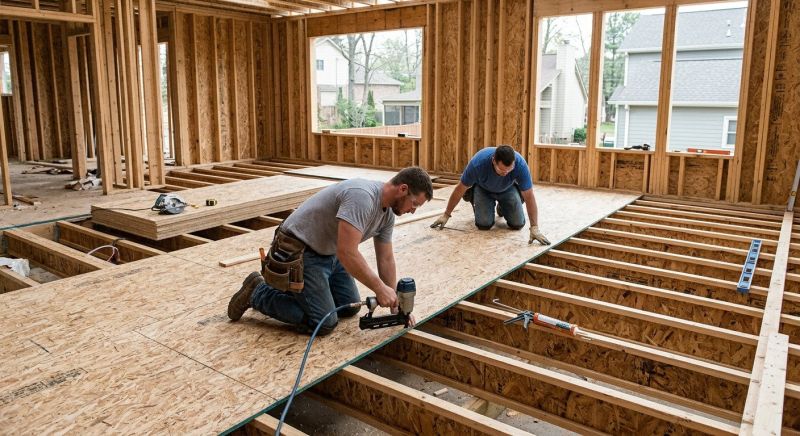
Subfloor Repair And Replacement
Ensuring a solid foundation for new flooring or renovations.
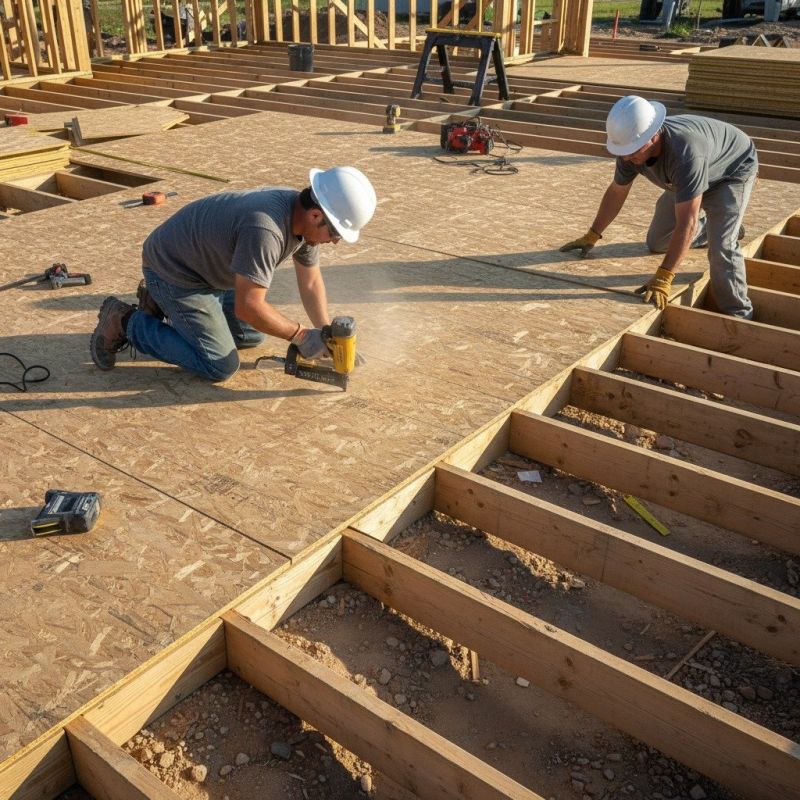
Moisture And Damage Prevention
Protecting subfloors from water damage and structural issues.
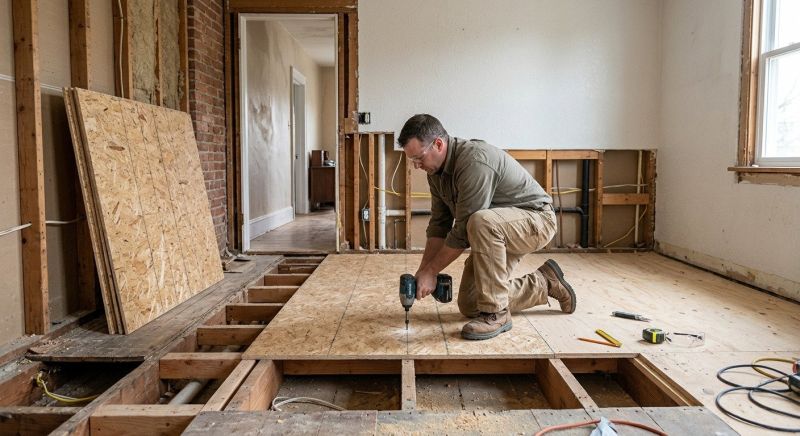
Leveling And Surface Preparation
Creating a smooth, even surface for various flooring types.
Subfloor Installation in Wilmington, NC

Subfloor installation services involve preparing and laying the foundational layer beneath the finished flooring in residential properties. This process is essential for creating a stable, level surface that supports various types of flooring materials such as hardwood, tile, laminate, or carpet. Property owners typically request subfloor installation when renovating, building new homes, or addressing issues like uneven floors, squeaks, or damage caused by moisture or age. Understanding the scope of the project, including the condition of the existing subfloor and the type of flooring to be installed, helps ensure a smooth and durable result.
Before requesting subfloor installation, property owners should consider the condition of the current subfloor, including any signs of rot, mold, or structural damage. It is also useful to know the specific requirements of the new flooring material, as some types may necessitate particular subfloor standards or additional preparations. Proper assessment and planning can prevent future issues such as uneven surfaces or flooring gaps, ensuring the new floor remains secure and visually appealing for years to come.
Many property owners in Wilmington, NC look into Subfloor Installation for repairs, replacements, upgrades, and appearance-related improvements.
Common Subfloor Installation Jobs
Subfloor Installation - provides a stable foundation for flooring materials in homes and commercial spaces.
Subfloor Replacement - addresses issues like water damage, warping, or mold to improve safety and durability.
Subfloor Repair - fixes squeaks, cracks, or uneven surfaces to ensure a smooth, level floor.
Moisture Barrier Installation - helps prevent moisture from seeping into the subfloor, reducing mold and rot risks.
Soundproofing Subfloors - enhances privacy and reduces noise transmission between floors.
Subfloor Inspection - assesses existing subfloors to identify damage or structural concerns before new flooring is installed.
Subfloor Installation Questions
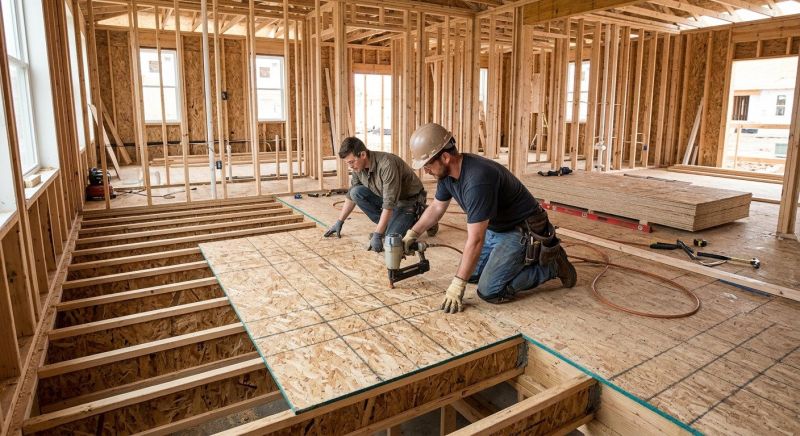
What is subfloor installation? Subfloor installation involves placing a supportive base layer beneath the finished flooring to ensure stability and proper alignment.
Which types of flooring require a subfloor? Most flooring types such as hardwood, laminate, tile, and carpet rely on a solid subfloor for durability and evenness.
How can I tell if my existing subfloor needs replacement? Signs include uneven flooring, squeaks, cracks, or visible damage beneath the surface layer.
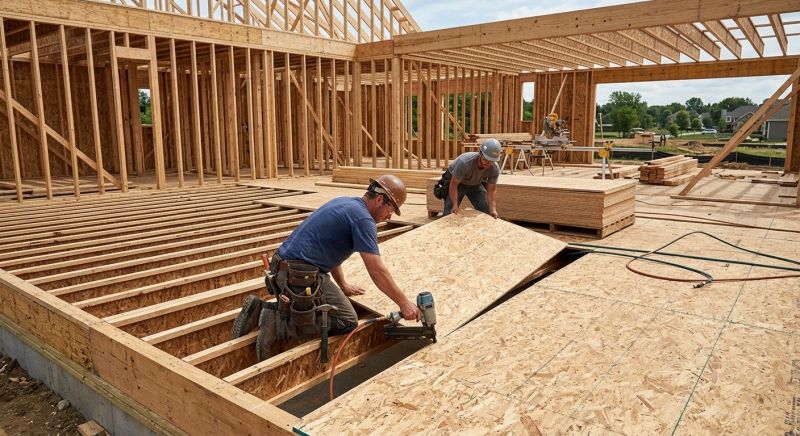
What are common subfloor materials used in Wilmington homes? Plywood and oriented strand board (OSB) are typical materials used for subflooring in residential projects.
Request Subfloor Installation in Wilmington, NC
Use the quote form on this page to share the basics of your project and request more information for the type of work you need.